
Digital Marketing Trends 2025
In 2024, digital marketing experienced one of the most transformational periods in its history. This includes the rise of AI, shifting data privacy laws, short-form video content, omnichannel marketing, interactive content, micro-influencer partnerships, voice and visual search, and social media direct sales.
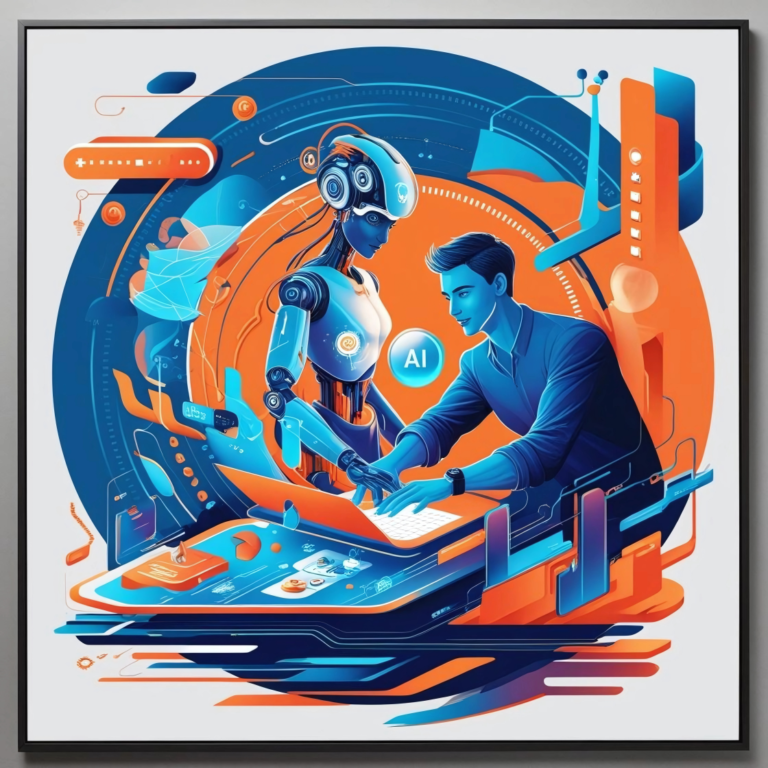
2024 sees AI play an even more integral role in digital marketing, empowering teams to work faster and smarter. With generative AI, marketers can quickly draft content, research trends, analyze performance metrics, and personalize customer journeys. Our team has found that using AI allows us to create content up to 40% faster while improving engagement rates.
- Content Creation and Curation: AI tools now help draft blog posts, generate social media captions, and even create visuals. For example, AI-powered content tools can analyze customer data to create content that resonates with specific audience segments.
- Predictive Analytics: AI doesn’t just speed up production; it enhances accuracy. Predictive analytics tools anticipate consumer behavior, enabling brands to deliver the right message at the right time.
- Conversational AI: Chatbots are evolving to handle more complex inquiries, providing a seamless user experience on websites and social channels.
Results: AI boosted consumer engagement by 30%, ultimately contributing to an increase of 20% in monthly conversions.
Personalization remains a cornerstone of effective digital marketing. In 2024, we’re moving toward hyper-personalized experiences that adapt to real-time data and individual preferences. This approach is built on first-party data, as brands move away from third-party cookies to maintain consumer trust and comply with privacy regulations. 87% of marketing leaders identify email as essential for gathering first-party data, as it’s a direct way to understand and connect with audiences
- Hyper-Personalization: Instead of generic email campaigns, brands can now send dynamic, highly customized emails tailored to individual behaviors and preferences.
- Personalized Video and Interactive Content: Short-form video and interactive media are on the rise, with AI enabling content to be personalized at scale. Think video ads that change based on viewer behavior, ensuring a unique and memorable experience.
- Lifecycle-Based Personalization: Brands are increasingly focusing on personalizing the customer journey from the first interaction to post-purchase engagement.
Insight: At LovaAds, we work with data partners to create tailored content for each stage of the customer lifecycle, which has led to a 15% increase in repeat purchases for our e-commerce clients.


In a world where data transparency is critical, customers expect brands to collect and use their information responsibly. First-party data strategies are not just about compliance but also about building long-term trust.
- Direct Customer Interactions: Tactics like email sign-ups, customer feedback, and loyalty programs are invaluable. These direct interactions provide high-quality data while respecting privacy.
- Predictive Analytics: With less third-party data available, marketers turn to contextual advertising that uses data from the context of a webpage to target audiences.
- Transparency: In 2024, transparency is not optional. Clear privacy policies and a commitment to secure data handling are essential for consumer trust.
Pro Tip: LovaAds agency encourages clients to invest in robust CRM systems that enable effective data collection while ensuring data integrity and security. This approach has improved data quality by 25% across client campaigns.
Video content is king in 2024, driven by the popularity of short-form content on platforms like TikTok, Instagram Reels, and YouTube Shorts. Gen Z and Millennial audiences especially prefer video content over text, making it essential for brands targeting these demographics. Over half of marketers using short-form videos plan to increase their investment in 2025.
- Short-Form Video: Short videos (under 60 seconds) have become a powerful tool for engagement. They are perfect for storytelling, product demos, and brand messaging.
- Live Streaming and Interactive Video: Live video offers immediacy and authenticity, two qualities consumers crave. Interactive video, with clickable elements, drives engagement and keeps viewers invested.
- AI Video Tools: From automated video editing to AI-powered analytics that track viewer engagement, these tools streamline video production and optimize content.
Example: In a recent campaign, we used AI-generated video captions and soundtracks, which resulted in a 20% boost in engagement for a fashion client on TikTok.
As consumers increasingly interact with brands across multiple channels, a unified customer experience has never been more critical. Today’s consumers expect a seamless experience, whether they’re on a website, social media platform, or mobile app. The key to success is an integrated approach that combines marketing, sales, and customer service.
- Cross-Platform Consistency: Maintaining brand consistency across channels enhances trust. Your messaging should be cohesive whether consumers interact on Facebook, Instagram, or via email.
- Real-Time Engagement: Using AI tools to facilitate real-time engagement allows brands to proactively address customer needs and inquiries.
- Data Integration Across Channels: A single source of truth is vital. Integrating CRM data across all channels ensures a cohesive understanding of customer interactions.
Agency Insight: By integrating data from various touchpoints, we provide our clients with a comprehensive view of the customer journey, which has increased lead conversion rates by 18%.

Interactive Content to Drive Engagement
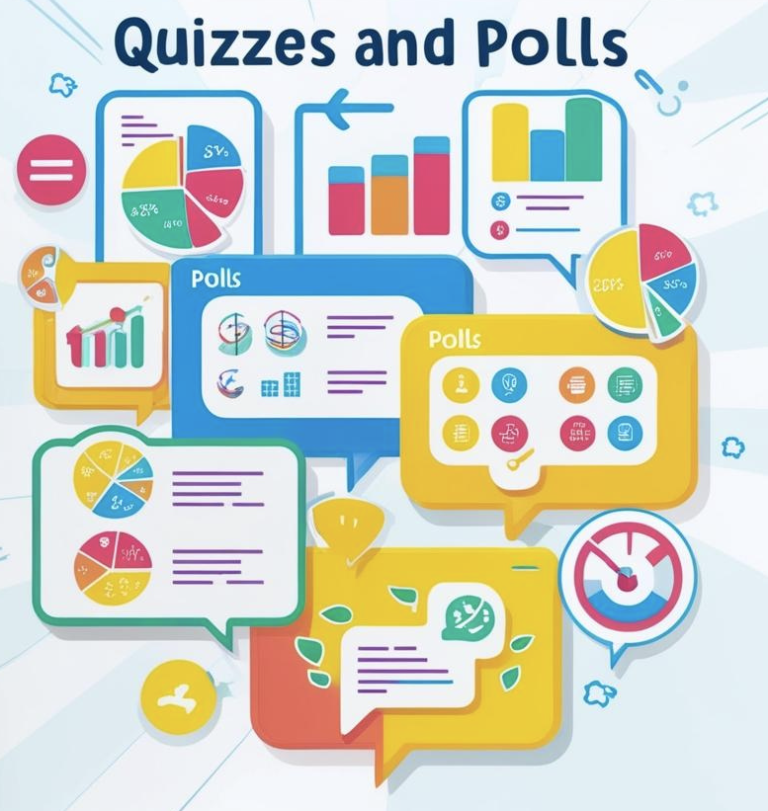
In a saturated digital space, static content is no longer enough to captivate audiences. Interactive content—such as quizzes, polls, and augmented reality experiences—invites users to participate, increasing engagement and enhancing the brand experience.
- Quizzes and Polls: These can be embedded into social media and email campaigns, helping brands gain insights while entertaining users.
- Augmented Reality (AR): AR is becoming more accessible, with brands using it for virtual try-ons, product previews, and interactive experiences that bring products to life.
- Gamification: Adding game-like elements to marketing, such as points and rewards for engagement, keeps audiences engaged for longer.
Client Success Story: A recent gamified campaign for a retail client increased dwell time on their site by 25%, which led to a 30% uptick in conversions.
Influencer Partnerships with Micro-Influencers
While influencer marketing is not new, the focus is shifting toward micro-influencers who offer highly engaged, niche audiences at a fraction of the cost of traditional influencers. These partnerships feel more authentic, which resonates with consumers increasingly wary of overt advertising.
- Higher Engagement Rates: Smaller influencers have tight-knit communities, and their recommendations carry more weight among followers.
- Cost-Effectiveness: Working with multiple smaller influencers allows brands to reach diverse audience segments without a massive budget.
- Localized and Targeted Content: These influencers can provide localized content, which is invaluable for brands targeting specific regions or demographics.
Agency Tip: We encourage clients to foster long-term relationships with micro-influencers, which has resulted in a 20% increase in ROI across multiple campaigns.

The Power of Voice and Visual Search
The rise of smart speakers and visual search is reshaping SEO strategies. People increasingly use voice commands and images to find what they need online, making it essential for brands to optimize content for both text and voice searches.
- Conversational Keywords: Voice search queries are more conversational, so brands need to include natural, spoken language in their SEO strategies.
- Structured Data for Visual Search: By implementing structured data, brands can ensure their products and services appear accurately in visual search results.
- Image Optimization: Quality images, with descriptive tags and keywords, are more likely to appear in image search results, driving more organic traffic.
Insight: Our clients who implemented voice and visual search optimization saw a 15% increase in organic search traffic over six months.
social media direct sales
Social media has evolved beyond branding to become a direct sales channel. Platforms like Instagram, Facebook, and TikTok now feature integrated shopping tools, allowing users to make purchases without leaving the app. This trend is expected to grow significantly as consumers increasingly rely on social media for product discovery.
- Shoppable Posts and Stories: Interactive tags within posts make it easier for users to shop directly from a brand’s feed.
- Live Shopping Events: Livestream shopping, where brands showcase products in real-time, creates a sense of urgency and allows for interactive Q&A.
- User-Generated Content (UGC): Encouraging customers to share their purchases and tag the brand creates authenticity.
Results: Social media direct sales increased by 35%. Social commerce tools simplified the purchase process, resulting in more impulse buys and higher conversion rates.

The future of AI in marketing is both exciting and complex. As AI technologies advance, they offer unparalleled opportunities for personalization, efficiency, and customer engagement. However, they also bring challenges that require careful navigation, particularly around ethics and data privacy.
Businesses that proactively embrace AI, invest in ethical practices, and focus on delivering genuine value to customers will thrive in this new landscape. The fusion of human creativity and AI’s analytical power promises a future where marketing is more insightful, responsive, and connected than ever before.
Iurii Gusarov is the Growth Marketer of LovaAds, specializing in technology and digital marketing. With a passion for exploring how emerging technologies impact businesses and society, Iurii provides insightful analyses and practical advice on how businesses can leverage technological advancements to drive growth and customer satisfaction.