
Marketing automation refers to the process of using technology, software applications, or web-based services to streamline, automate, manage, and measure marketing activities, tasks, and workflows.
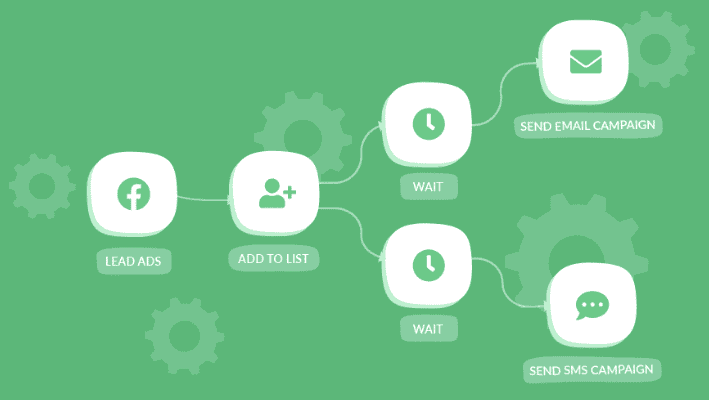
Marketing automation relies on workflows—automated sequences triggered by a user’s behavior, such as signing up for a newsletter, clicking on an ad, or abandoning a cart. These workflows consist of a series of “if-this-then-that” rules that ensure the customer receives timely, relevant communication based on their interactions.
For example:
Lead Nurturing Workflow: A user downloads an eBook from your website. This action triggers a follow-up email thanking them and offering more content related to the eBook topic. Over the next few days, additional emails provide more value and ultimately present a call to action to book a demo or purchase a product.
Abandoned Cart Workflow: If a shopper abandons their cart, an email reminder can be automatically sent after a short delay, potentially including a discount code or free shipping offer to incentivize purchase.
This rule-based approach allows businesses to deliver targeted messages to people at the right time, fostering engagement and driving action.
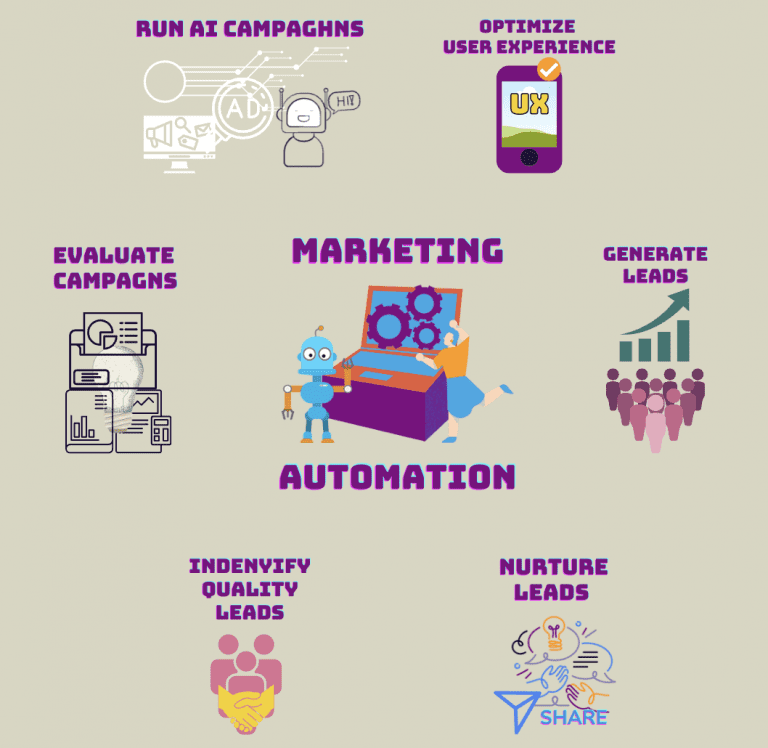
Marketing automation spans various types, each designed to serve specific functions across the customer journey. By understanding the types of marketing automation, businesses can leverage the right tools to engage customers, streamline workflows, and improve ROI.
Here’s a breakdown of the most common types:
Welcome and onboarding series
Automatically welcome new subscribers or customers with an email series that introduces them to your brand, shares key offerings, and nurtures them toward the next step.
Birthday and anniversary campaigns
Delight customers with special offers or messages on birthdays or other personal milestones. This builds rapport and can lead to repeat purchases.
Post-purchase follow-up and upselling
After a purchase, use automation to thank the customer, ask for feedback, and recommend complementary products. This boosts customer satisfaction and increases lifetime value.
Re-engagement campaigns
Identify inactive customers and send automated “We Miss You” campaigns to re-engage them with special offers, updates, or personalized content.
Marketing automation continues to evolve, with advancements in AI and machine learning enhancing predictive capabilities, personalization, and behavioral insights. We can expect to see even more sophisticated automation solutions, including predictive analytics, enhanced dynamic content, and deeper integration with sales platforms. As automation becomes more intelligent, businesses will be able to deliver an even more personalized, efficient, and engaging customer experience.
Marketing automation is transforming the way businesses engage with customers, helping brands grow by streamlining operations, personalizing experiences, and driving conversions. For any business looking to scale its marketing efforts efficiently, automation is no longer optional; it’s essential.
Whether you’re looking to attract new customers, retain existing ones, or improve overall engagement, marketing automation offers a powerful way to meet your goals. With the right strategy, tools, and dedication to continuous improvement, marketing automation can be a game-changer for any organization.